

What a More Resilient Home Energy Plan Looks Like in Cape Coral, Florida
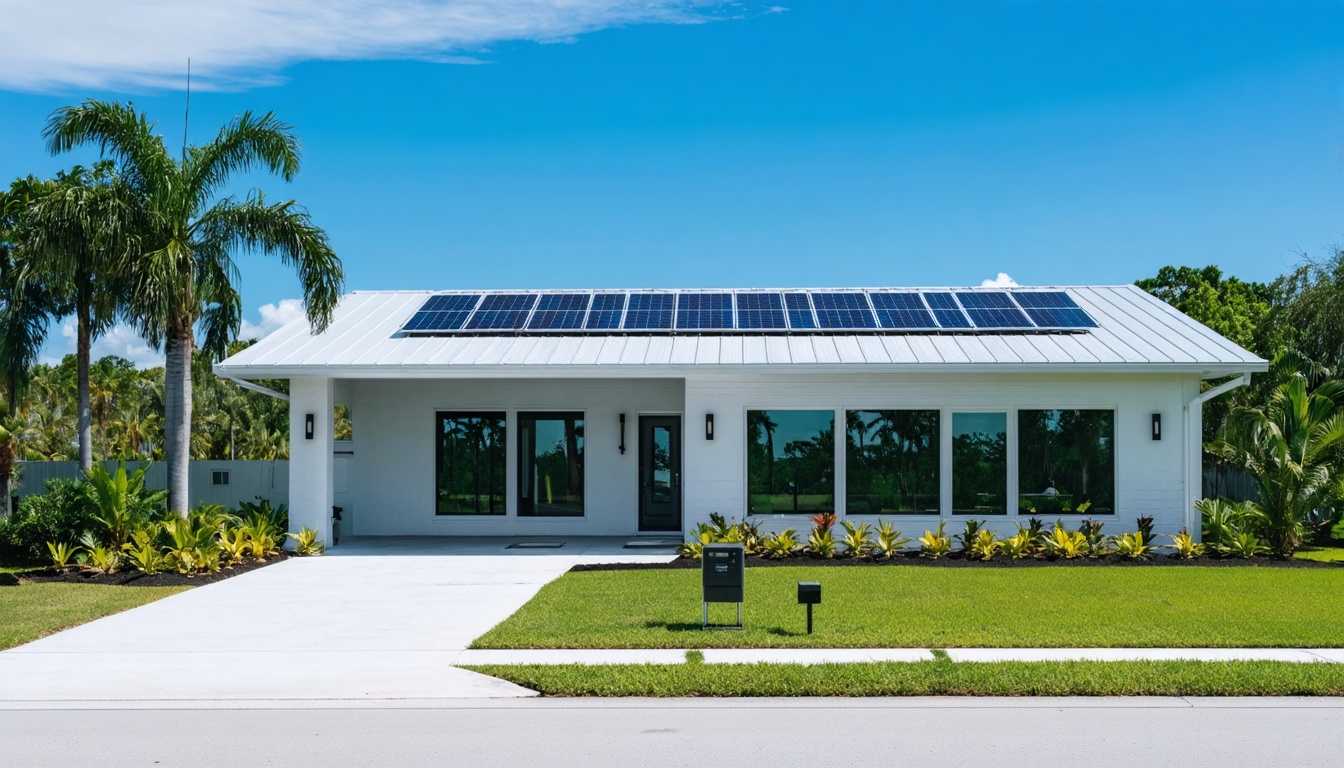
If you are considering ways to enhance the resilience of your home energy plan in Cape Coral, it is essential to look beyond just backup generators. There are several factors that contribute to an effective energy strategy, including the increasing demand for power, fluctuating storm patterns, and the emphasis on sustainable energy solutions. A comprehensive energy plan should focus on features that not only protect your household from potential power outages and disruptions but also contribute to cost savings and a reduced environmental footprint. Key elements to consider include: 1. **Solar Energy Systems**: Installing solar panels can provide a reliable source of energy, reduce reliance on the grid, and lower electricity costs over time. Incentives and rebates may further enhance the financial viability of solar investments. 2. **Energy Storage Solutions**: Including battery storage as part of your energy plan allows excess energy generated during sunny days to be stored for use when needed, thus providing more autonomy during power outages. 3. **Energy Efficiency Improvements**: Upgrading insulation, windows, and appliances can significantly decrease energy consumption. Implementing energy-efficient practices within your home not only reduces costs but also lessens your environmental impact. 4. **Smart Home Technology**: Utilizing smart thermostats and energy management systems can help optimize energy use and enable better monitoring of consumption patterns. 5. **Sustainable Landscaping**: Choosing native plants and landscaping designs that require less water and maintenance can contribute to long-term sustainability goals. In conclusion, designing a resilient home energy plan in Cape Coral requires a multifaceted approach that incorporates renewable energy sources, energy storage capabilities, efficiency upgrades, technology integration, and sustainable practices. Such a strategy will not only protect against power disruptions but also promote cost savings and environmental stewardship.
Integrated Hurricane Hardening and Impact-Resistant Features
Cape Coral's coastal environment presents unique challenges, particularly related to severe weather events such as hurricanes. Builders in the area prioritize the installation of impact-rated windows and doors, which enhance residential safety by eliminating the need for traditional storm shutters.
Additionally, the incorporation of reinforced roofing systems and engineered connections, extending from the foundation to the rafters, increases the structural resilience of homes against hurricane forces.
The implementation of whole-home generators provides a reliable power source during outages, thus reducing disruption for residents. These features not only support homeowners in protecting their properties but also help minimize the financial risks associated with possible storm damage.
Furthermore, these enhancements may positively affect property values, presenting a practical investment for homeowners.
For homeowners wishing to showcase their newly constructed residences, the annual Coral Network development serves as a platform to highlight these resilient features.
The transition to impact-resistant and resilient building standards is encouraged through ongoing research and professional expertise, focusing on health, privacy, and the capacity to endure extreme weather conditions.
This holistic approach emphasizes the significance of informed decision-making in response to climate-related risks.
Sustainable Design and Energy Efficiency
An effective home energy plan in Cape Coral emphasizes sustainable design and energy efficiency. Local builders frequently utilize high-efficiency HVAC systems, advanced insulation techniques, and solar panels, which are increasingly highlighted in initiatives like Solar Energy in Cape Coral. These components assist homeowners in managing extreme weather conditions while also contributing to a decrease in energy expenditures.
Research and development initiatives in the region underscore the significance of incorporating locally sourced materials, which may enhance the environmental footprint of construction activities. Homeowners have the option to explore various financial incentives designed to encourage the adoption of energy-efficient technologies, thereby contributing to the creation of more resilient living environments.
In addition to financial and environmental benefits, energy-efficient upgrades can also play a critical role in improving overall home comfort and energy independence. The construction sector in Florida is increasingly focused on achieving responsible growth that aligns with environmental standards and community needs.
This approach aims to address both the demands of the housing market and broader ecological considerations.
Smart Home Technology for Resilience
As climate change leads to unpredictable weather patterns, homeowners in Cape Coral face the challenge of enhancing their home's resilience. Smart home technology offers practical solutions to aid in storm preparation and ensure the continuity of essential systems during power outages.
Recent advancements in Coral and Cape include the establishment of smart networks designed to help homeowners manage energy consumption more efficiently.
For example, smart technologies allow homeowners to remotely control hurricane shutters, monitor home security systems, and manage energy use, including the integration of solar power sources. The ability to respond quickly during severe weather conditions is critical, as these features can help reduce potential property damage.
Studies indicate a rising adoption of smart home technologies aimed at addressing extreme weather challenges. Furthermore, data on health implications supports the necessity of proactive strategies to enhance household safety.
These innovations not only improve the security of homes but may also alleviate the financial impact associated with weather-related damages.
As the field of smart home technology progresses, it can serve dual purposes: providing protection against adverse weather and supporting considerations of privacy and sustainability. Homeowners may increasingly view these technologies as integral to both safeguarding their properties and aligning with broader environmental goals.
Renewable Energy Systems and Backup Power
Renewable energy systems and backup power solutions are increasingly recognized as integral elements of an effective home energy strategy in Cape Coral. Solar panels are a prominent option for generating clean energy and can lead to reduced utility expenses for homeowners.
The annual Cape Coral Home Showcase serves as a platform for showcasing advancements in solar technology, allowing homeowners to familiarize themselves with current developments in this field.
Backup generators are also essential, particularly in the face of extreme weather events that frequently affect the region. These systems provide a vital means of ensuring continued household operations, thereby enhancing the well-being and safety of residents during power outages.
In addition, community network programs and financial development resources are available to assist homeowners in accessing energy-efficient solutions. These resources can aid in the adoption of technologies that improve home resilience.
Furthermore, research initiatives and collaborative impact programs foster cooperation among residents and stakeholders to promote energy stability across Florida. Such efforts underscore the importance of both renewable energy and backup power in enhancing energy independence and security for households in the region.
Accessible and Universal Design Principles
As Cape Coral's demographics shift towards an aging population, the implementation of accessible and universal design principles is becoming increasingly relevant for local homeowners.
Current trends within the construction industry reveal a growing interest in homes that feature essential accessibility elements, such as zero-threshold entries, wider hallways, and adaptable bathrooms. These design aspects not only improve accessibility for all residents but also enhance the overall functionality and durability of homes, particularly in relation to extreme weather conditions.
Research highlights that combining accessibility enhancements with energy-efficient technologies, like solar panels, can increase property value.
Furthermore, there may be financial incentives available to encourage homeowners to incorporate modifications that prioritize privacy, health, and usability.
As these design principles gain traction, they are expected to contribute positively to both safety and property values in the region.
For more information regarding privacy and design principles, please consult our Privacy Policy.
Multi-Generational and Flexible Living Solutions
In response to evolving household dynamics, multi-generational and flexible living solutions have gained traction among families in Cape Coral. Local builders are designing homes that blend shared and private living spaces, making them suitable for various family structures.
These homes typically follow universal design principles, which support accessibility and adaptability, thereby addressing health and privacy concerns.
Flexible living areas can fulfill diverse functions, such as serving as children's playrooms or designated office spaces, accommodating the changing needs of modern families.
Furthermore, the incorporation of sustainable features, such as solar panels, enhances energy efficiency, an essential factor in light of Florida's climate challenges.
Homeowners can further investigate these developments by participating in local annual showcases, which provide insights into innovative living solutions aimed at ensuring functionality and resilience in their living environments.
Aesthetic Trends in Modern Coastal Homebuilding
The aesthetic direction of modern coastal homebuilding in Cape Coral is increasingly shaped by minimalist design principles. Builders are incorporating a range of styles, including industrial, rustic, and farmhouse aesthetics, as highlighted by trends observed at the annual Cape Showcase.
Contemporary homes are often designed with efficient layouts that maximize natural light and promote open spaces. The integration of sustainable features, such as solar panels, reflects a focus on energy efficiency. Research supports the benefits of biophilic design, which suggests that incorporating natural elements into architecture can positively impact health and well-being, potentially making these home designs more desirable.
Additionally, there is a noticeable trend toward shared living spaces, which responds to the increasing demand for multi-generational housing that accommodates various family dynamics. Given Florida's vulnerability to unpredictable weather patterns, modern developments emphasize resilience by using materials and strategies designed to endure extreme conditions.
These innovations present practical benefits to homeowners, balancing aesthetic appeal with functionality and sustainability.
For further details on financial and environmental practices, please consult our Privacy Policy.
Conclusion
Implementing a resilient home energy plan in Cape Coral, Florida, offers homeowners a range of practical benefits while contributing to sustainable living practices. Such a plan enhances property security by ensuring a consistent power supply during adverse weather conditions, which is particularly relevant given Florida's susceptibility to storms and hurricanes. Homeowners can expect to see a reduction in energy costs through the integration of energy-efficient systems and devices. Smart technology—such as programmable thermostats and energy monitoring systems—can optimize energy usage, reducing waste and lowering utility bills. Additionally, designing homes with resilience in mind can improve overall comfort for residents. This includes considering factors like insulation, ventilation, and energy-efficient appliances that cater to a diverse range of occupants. Investing in backup power systems, such as solar panels combined with battery storage, further safeguards against service interruptions, providing a reliable energy source in emergencies. Such systems not only enhance resilience but also align with broader environmental goals by facilitating a shift towards renewable energy. Overall, adopting a resilient home energy plan in Cape Coral equips homeowners to adapt more effectively to the evolving challenges presented by the local climate while supporting a transition to sustainable energy practices.